
Meinl MDR-BK drum rug
A proper drum rug with a rubber underside to help keep things in place. At 160 × 200 cm, it needs a little measuring before it moves in!
A rug helps with grip. It is not a soundproofing platform.
View on AmazonTHE BDE HOME-PRACTICE GUIDE
WHAT IS PRACTICE?
Not homework. Your own practising playground. Ideas to explore, a space you love and tools within reach. Hey, ho, let’s drum!
EXPLORE THE CHAPTERS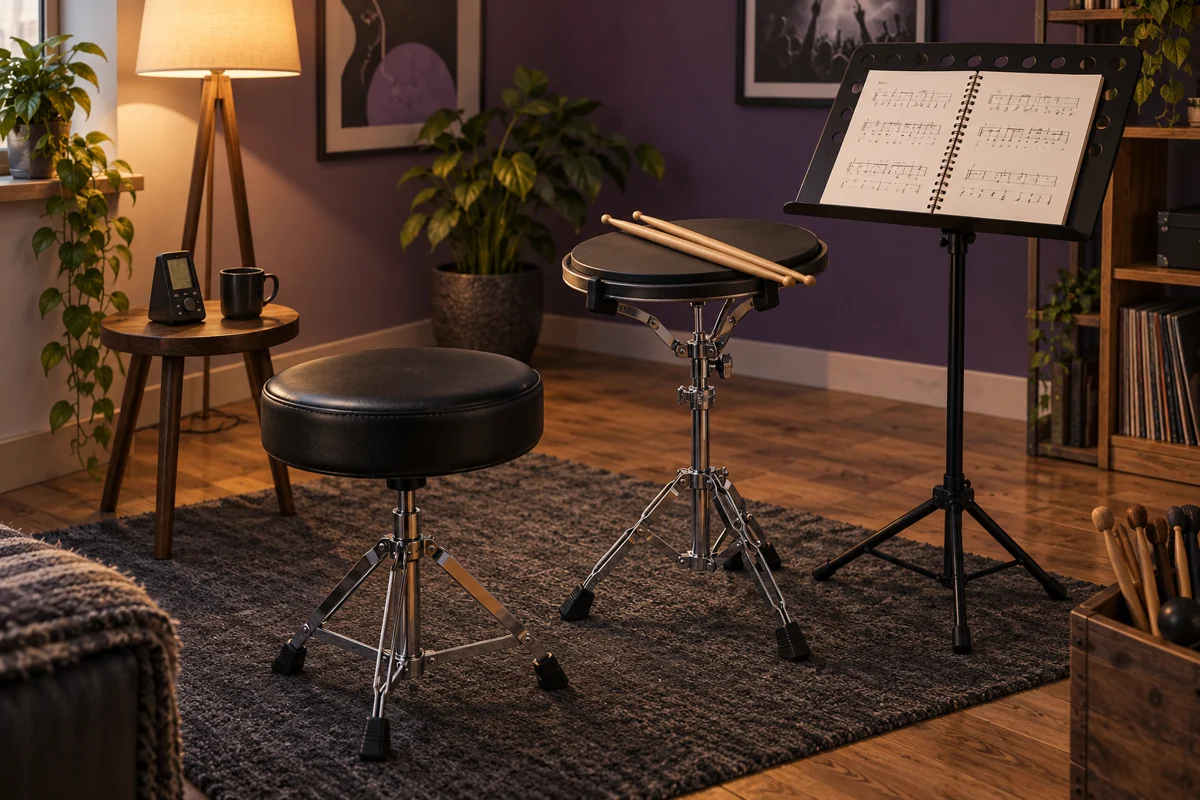
The body is the best percussion instrument. You do not need a drum kit at home to begin. Make your corner comfortable, ready to play and FUN! These are ideas, not a shopping checklist — find what works for YOU.
Not homework. Your own practising playground. Choose a chapter to expand it.
Hello drummer! Practising should be one of the best moments of your day. Not homework. Not suffering.
The point is to gain concrete tools to express your ideas freely on the instrument. Make practice simple, fun and effective, so it becomes something you WANT to return to.
Creating a routine is one challenge. Knowing what to do with it is another! There is so much to explore. PPR gives us a way to practise together, develop ideas and build a routine we can also continue on our own.
How often? You guessed it: EVERY DAY! Make it a part of your day that you enjoy.
GOOD NEWS: you do not need a drum kit at home to start drumming. Everything is a drum!
Your body is your first percussion instrument. Think of yourself as a dancer: your movements produce sounds, and rudiments, stickings and shapes become your choreography. Cool, ah?
A practice pad is not just a substitute for the drum set. It has its own character: a place to explore movement, sound and awareness on a simple surface.
YOU ARE THE DRUMS. The objects around you are where the movement becomes sound.
The group gives you ideas. Your own routine is what you take home.
Notice the patterns, variations and movements you particularly enjoy. Write them down and keep using them when the session is over, including on days when you cannot join the group.
PPR is not a technique class, although technique is at its core. Keep questions and ideas for your lessons, where you can explore them in more depth.
Do not just collect exercises. Find the ideas you want to keep practising.
Start with the essential version. Yes, even if you are an advanced drummer!
It is a chance to strengthen the elements we often neglect. Then choose the application that is genuinely productive for YOU, instead of chasing somebody else’s level.
Want to explore a sticking, subdivision or rhythm in your own way? Lower or mute the session audio and work at your own speed. Then bring your idea back to the group so others can try it too.
Get creative. Share ideas. MUSIC IS NOT A COMPETITION!
Two different playgrounds. Both have their own beauty!
The pad is where we focus on developing technique. The drum set is where we apply and discover ideas. Do not think of one as merely a replacement for the other.
On the pad, make room for rudiments, understanding, training and awareness. Then explore how those ideas can speak on the drums.
Enjoy the pad for what it is. Then enjoy taking those ideas to the kit.
Never trust your memory! Keep a notebook, a pencil and your ideas within reach.
Bring your notebook to your lesson. Use it to remember what you explored, ask questions and write down new ideas before they disappear.
What looks like “just” a groove or an exercise today may become a much more valuable insight as you grow. You will start to see gold in a pattern you once only repeated. Do not let that slip away!
A ring binder with transparent sleeves and coloured dividers lets you organise material by drum topic, not just by date. Find it, revisit it, go deeper.
YOUR NOTEBOOK: a growing collection of ideas, not a pile of forgotten sheets.
The BDE playground
LEFT. RIGHT. LEFT. RIGHT. You know the idea! Try our 37-second finger-tapping game. Keep it even, have a little fun, then take the idea back to your pad.
Play the 37-second challengeKeyboard or touch · sound starts off · personal bests stay in this browser. A game, not a test of your drum technique.
A little carpet. A light you love. Your tools, books and ideas within reach. Tap any chapter below.
A little heads-up, drumgang: the Amazon links below are affiliate links, so BDE may earn a commission from qualifying purchases. Everything BDE earns is reinvested in BDE — including better equipment at our headquarters. More tools, more possibilities, more drumming!
As an Amazon Associate I earn from qualifying purchases.
HEY, COME CHECK OUT MY PRACTISING LOUNGE!
Choose a little area you can be proud of. A place that looks good, feels good and might even tempt you away from the couch. Five minutes while the pasta cooks? PERFECT!
First, give your practising kingdom a floor! A carpet you like, that does not slide around with your setup. Already have one that works? Keep it. You are building a place to play, not a shopping collection.
Give the corner its own light. Keep your tools close and ready to use. EVERYTHING. A good atmosphere makes it much easier to sit down and start.
Make starting easy. Hey, ho, let’s drum!
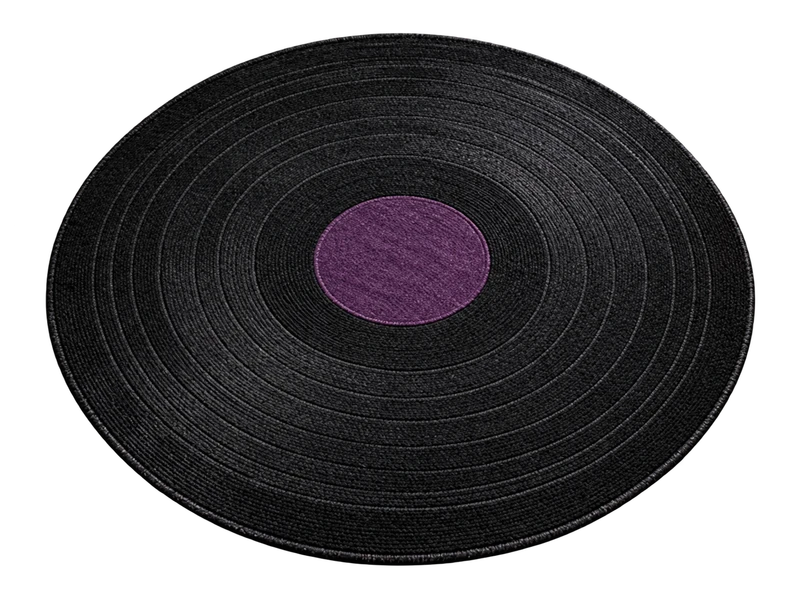
What goes on that beautiful carpet? Your practice pad!
For home, we favour a one-sided 12-inch pad and a 6-inch pad for travelling. The smaller pad is handy to carry; the larger one gives you a more stable everyday setup.
There are also leg pads, wall pads and surfaces with different resistance. Explore what works for you over time. We are like children: one pad can quickly turn into a collection!
Try different surfaces. These are starting points, not a compulsory shopping list.
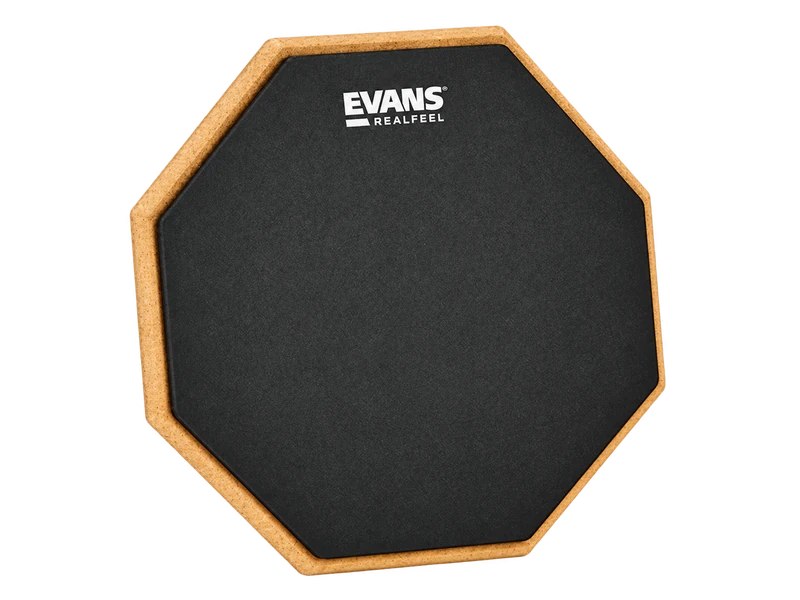
A proper seat for your practising kingdom.
Choose a drum stool or throne that adjusts in height and feels comfortable. You are going to spend time here! Posture, clear movement and awareness of your body matter, especially while building your foundations.
Messing around with sounds is wonderful. Focused practice deserves an organised setup too. Try seats in person when you can; look out for a decent second-hand one too. Second butt, perhaps?
Adjustable. Comfortable. Something you actually enjoy sitting on.
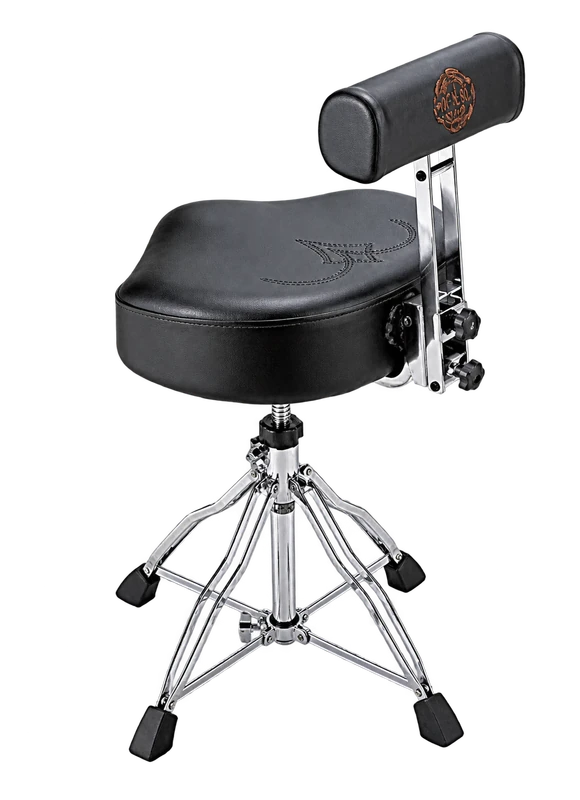
Cool pad. Lovely stool. Ehm… where does the pad go?
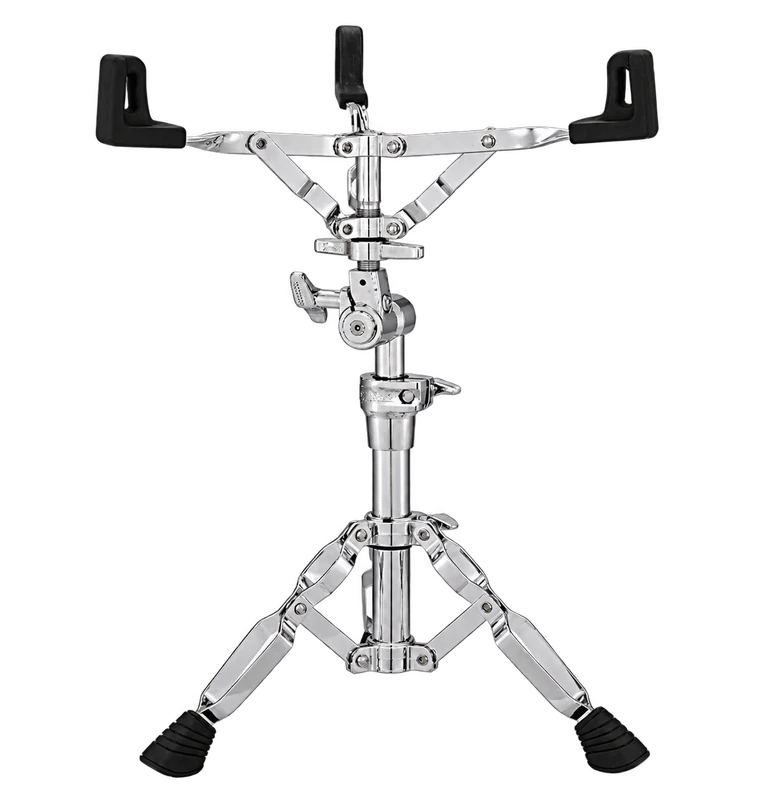
A VERY important piece of hardware: an adjustable stand! For the 12-inch pad, use a snare stand. The pad is lighter than a snare drum, so this does not need to be the most elaborate stand in the shop.
Smaller pads may have a threaded mounting hole underneath for a compatible stand. Check how your own pad mounts before choosing one.
Bring the pad to your setup. Do not build your whole posture around the furniture.
LET’S NOT FORGET THE MOST IMPORTANT THING!
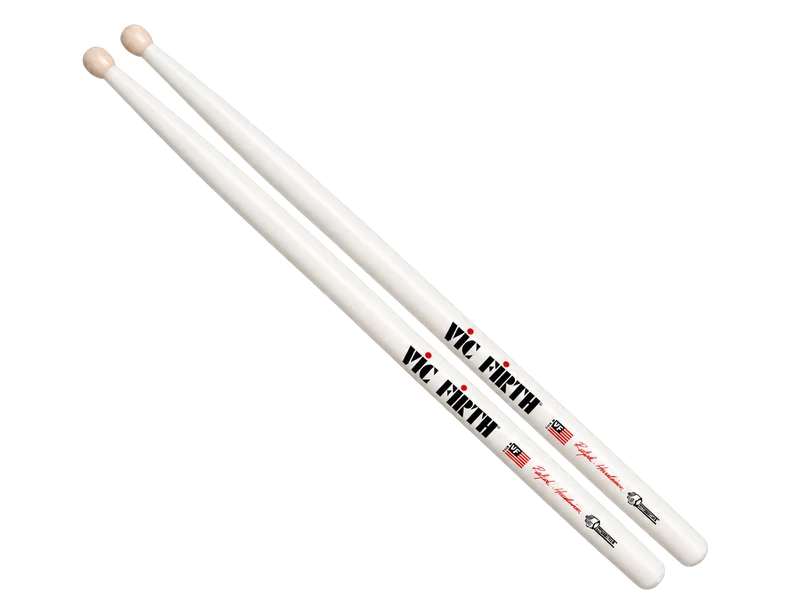
Keep normal sticks for pad and drums. We also enjoy larger marching sticks on the pad: thicker, heavier and a little longer, with a deeper sound and a different feeling in the grip. It is a preference to explore, not a rule for everyone.
Do not overthink it. Try a few sticks and notice their feel and sound. STICKS ARE MEANT TO BE BROKEN!
Specialist item in the old guide: 5T Vibe Drum metal practice sticks. Its instructions were only after warming up, no more than 10 minutes, and NEVER on a real drum set. They are not an essential part of this setup.
Different sticks, different feeling. Find what you enjoy practising with.
Your next great idea should not disappear while you look for a pencil.
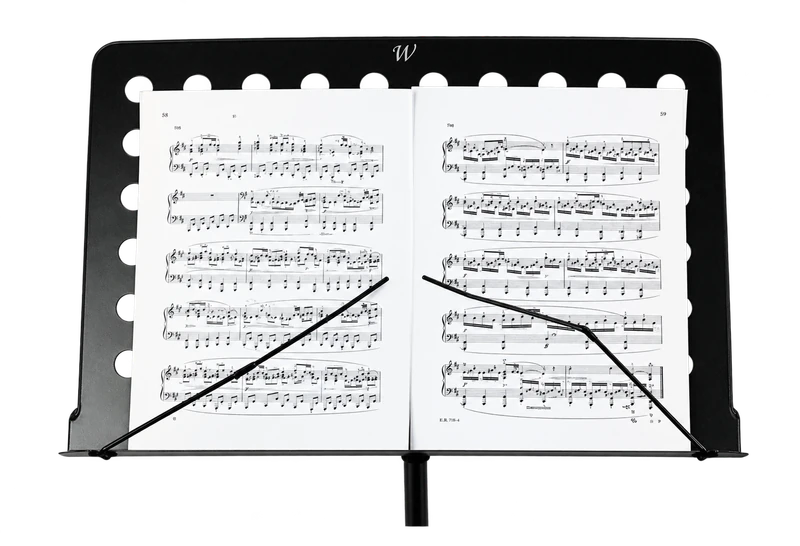
Keep an adjustable music stand, your sheets and a notebook close by. A clip light helps keep that focused corner ready. Plain paper is fine; A4 is a good starting point.
Have a pencil and eraser ready, and bring the notebook to your lessons. Record ideas, questions and material you want to revisit.
Over time, use a ring binder, transparent sleeves and coloured dividers to group your material by topic. Learning made simple!
Keep it within reach. Write it down. Bring it with you.
A little library. A lifetime of discoveries.
You do not need to buy them all. Collect slowly, bring your favourite pages to lessons, and ask us to choose one book and a few useful pages with you. Your notebook holds YOUR ideas; these books offer new ones to explore.
Build your own drum library. Click a book to view it on Amazon, or choose Expand for our notes and edition details. Ask us where to begin.
Original BDE illustrations · not the printed covers.
Amazon affiliate links · BDE earns from qualifying purchases.
 Amazon ↗
Hands & control
For the Snare Drummer
A small book with a long life on your music stand. Explore sticking combinations, evenness and control. Let us choose a few lines together and give them real attention instead of racing through the pages.
Amazon ↗Rhythm & reading
Progressive Steps to Syncopation for the Modern Drummer
Learn to recognise rhythms and make them speak. These reading studies can become many different exercises with your teacher. Same page, new adventure — you will return to this one.
Amazon ↗Our Rudimental Ritual
As Taught by Alan Dawson
The book to explore alongside the Rudimental Ritual we practise at BDE. Alan Dawson created the Ritual; John Ramsay brought Dawson’s teaching into this book, including the Ritual and ways of working with Syncopation. A whole world to grow into, one phrase at a time.
Put it under your pillow if you like. Just remember to open it during the day, too!
Amazon ↗Touch & dynamics
For the Snare Drummer · revised and updated
The companion to Stick Control: bring accents, softer notes and rebound into the conversation. Work through it with guidance and listen to the difference between the notes, not only their speed.
Amazon ↗Jazz & coordination
Coordinated independence for jazz and be-bop
A classic route into jazz independence: keep one part flowing while another tells its own story. Take it slowly, listen to the music and let us choose a useful starting point. The word “advanced” is not a race invitation.
Amazon ↗Reading on the kit
Solfège Batterie
A doorway into the Agostini collection, connecting rhythmic reading with the drum kit. There are several method and solfège volumes, so choose the one that fits our lesson work rather than ordering the whole family at once.
Amazon ↗Rudiments & discovery
The Ultimate Drum Rudiment Collection
One we also have at school: a collection spanning different rudimental traditions and hybrids. Open it with curiosity, discover a new pattern and bring it to a lesson. It is a reference to explore, not 850-plus tasks to finish by Friday.
Amazon ↗Coordination & creative systems
Systems for the Development of Your Own Creativity
Give each limb its own job, then make them listen to one another. Chester’s systems connect reading, coordination and concentration with new musical possibilities. Pick one system with your teacher, keep it relaxed and let the ideas grow — no need to conquer the whole book in a weekend.
Before ordering, check the language, volume and format. Chapin and Ramsay editions may offer CDs or online audio; check what your copy includes. The Encyclopedia Amazon link is for the printed book; Hudson’s page also offers a digital edition.
Your shelf can grow slowly. A book with pencil marks, a favourite page and a story behind it is already a beautiful library.
The drummer’s best friend… after the bass player!
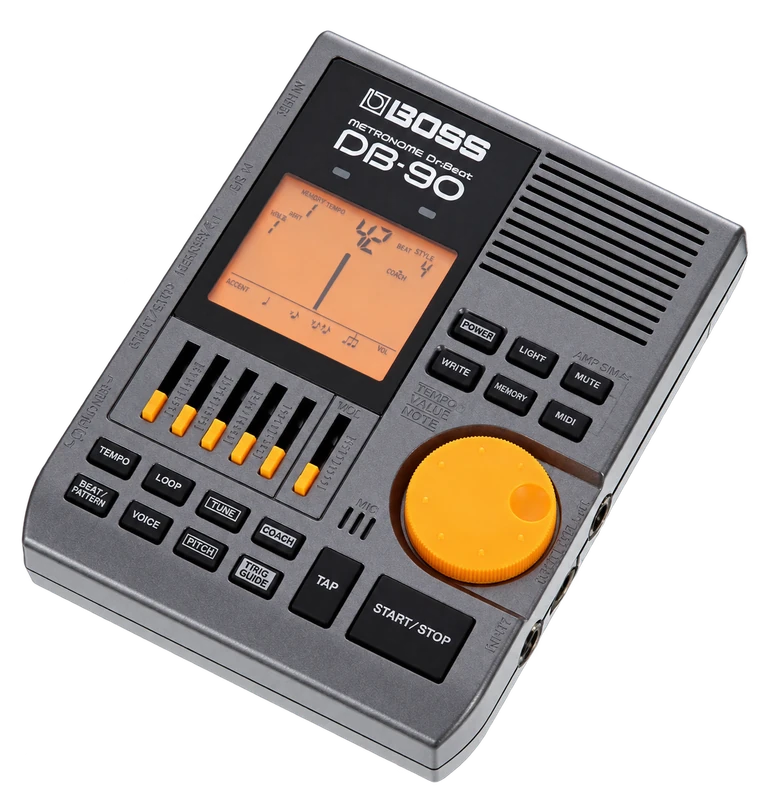
Yes, there are phone apps. The point of a dedicated metronome is simple: keep the tool ready without inviting all the phone’s distractions into your practice.
There are small digital options, a more elaborate talking metronome and a vibrating option. Different tools; the same idea of having your click within reach.
Less setting up. Fewer distractions. More practising.
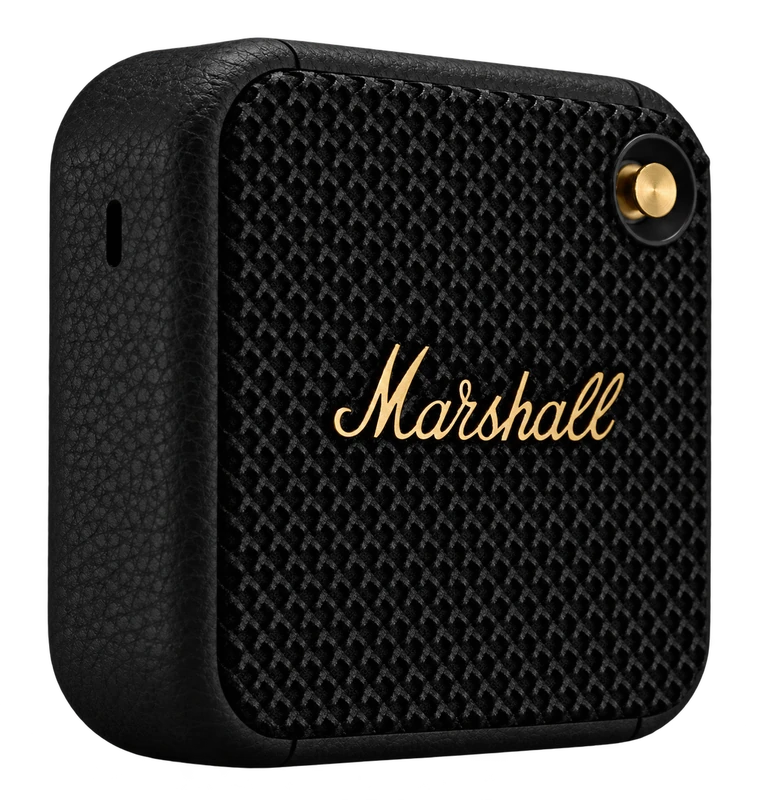
Ready to play along? No thousand-cable operation required.
A speaker beside your setup lets you play along with music and hear your click without building a whole P.A. around the pad.
Keep it ready to use, just like the rest of your corner. When you want to work independently during a session, lower or mute the playback and explore at your own pace.
Let’s get groovy!
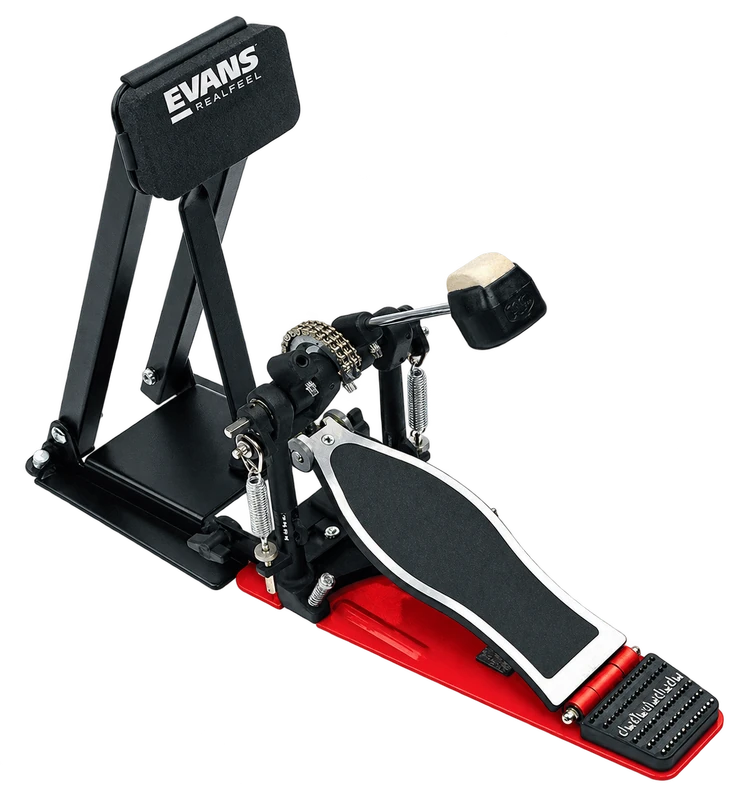
Beautiful setup! But… we have covered only TWO limbs out of FOUR. Whoops!
You can begin with your feet on the floor. Start with heel-down movements. In PPR we also explore heel-up and heel-toe work, small movements and soft dynamics.
A foot practice pad with a single or double pedal can expand the setup. Remember: pedals add sound and vibration, and a pad may move depending on the carpet, pedal and how you play. Do not assume that a foot pad is silent.
Explore rudiments and patterns with the hands, then with the feet, then try different interactions. These are their own playgrounds, not just substitutes for the kit. GET CREATIVE!
Hands AND feet. Enjoy the journey!
Beautiful sounds. Beautiful lights. A beautiful object in your living room. But… are we going to PLAY it?
E-drums have become seriously impressive. No question! But if you are just starting, my first advice is still a comfortable pad setup, a practice routine you enjoy and proper time on the acoustic drums. Let me explain.
After more than twenty years of teaching, I have seen this little story many times. New kit! Amazing sounds! A few favourite grooves! Then, slowly… furniture. The pad stays in a drawer and that visit to the acoustic drums stays on the “one day” list. Whoops.
For me, the love affair is with the acoustic instrument: the air moving, the loudness, the dirtiness, the feeling of making that sound YOURSELF. The pad and the drums are two different playgrounds. I do not want either of them to disappear behind a new toy, even a very beautiful one!
Follow the PPRs. Explore your rudiments. Ask in your lessons what to practise next. Then set aside proper, quality time with the acoustic instrument. Simple does not mean boring. There is a whole universe on that little pad!
A small, cramped setup and a different rebound can change how you move. So let us look at your layout, grip and dynamics together, whatever surface you use. Before spending thousands, also count how many rehearsal-room sessions that money could buy. Quite a few drum dates, no?
Already have e-drums? PLAY THEM! Give them a job: grooves, coordination, reading, recording, playing along. If they help you practise regularly, wonderful. Just keep the focused pad work and those acoustic drum dates too. And before buying a kit, try it with us or in a shop. Your hands get a vote!
The sound in your headphones is only half the story. Pads still make impact noise; pedals can send vibrations through floors and walls. The neighbour downstairs does not need to hear your lovely snare sample to know you are practising! A rug helps with grip. A proper isolation platform does a different job, and neither promises silent midnight drumming.
You may have seen homemade tennis-ball platforms. Cool idea, but treat it as a real building project: stable, safely supported and suitable for you AND the kit. More about drum noise at Roland (opens in a new tab)
The best thing in your corner is not the thing you bought. It is what you are learning to PLAY. Hey, ho, let’s drum!
Still curious? Two things to explore
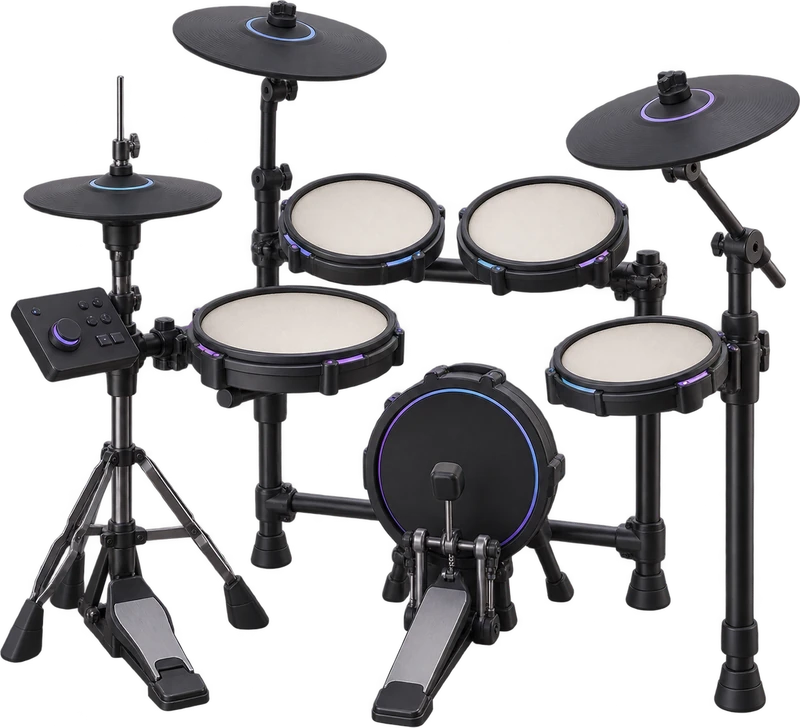
A serious e-kit example, not your beginner homework! Shallow wooden shells, an 18-inch kick and the V31 module. Try it before deciding whether it belongs in YOUR corner.
Budget for the whole setup: Roland lists the kick pedal, snare stand, hi-hat stand and throne separately. Check what the seller includes.
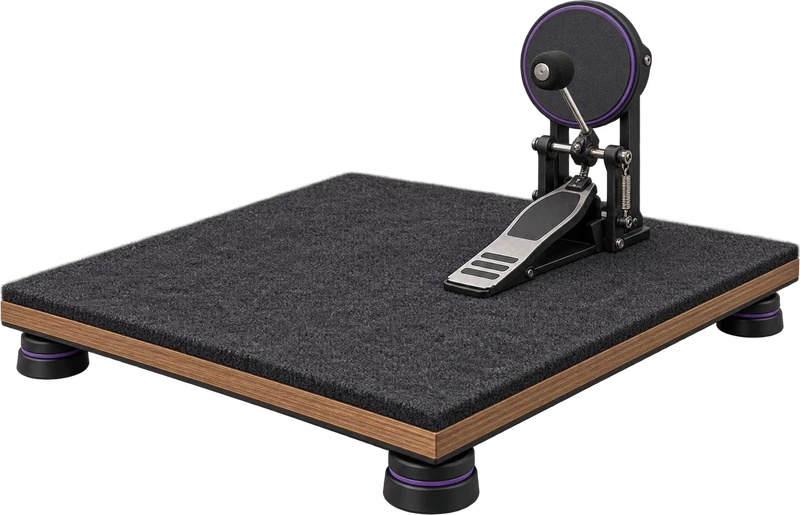
A platform designed to reduce vibration passing into the floor. This one is 190 × 190 cm. Measure first: your practising kingdom still needs a doorway!
Results depend on the building and setup. No promise that your neighbours will hear nothing.
View at ThomannThe Amazon button is an affiliate link supporting BDE. Roland and Thomann are direct reference links. These are examples to compare, not a required shopping list.
PRACTICE PAD ROUTINE
Practice doesn’t make perfect. Practice makes permanent. Perfect practice makes perfect.
Pay attention, stay curious and have fun. We’re not asking you to be flawless.
Your corner is ready. Pick one idea from your lesson or a PPR recording.
Take it at a comfortable pace. Try it, notice what happens and try again.
What did you notice? What do you want to explore tomorrow?
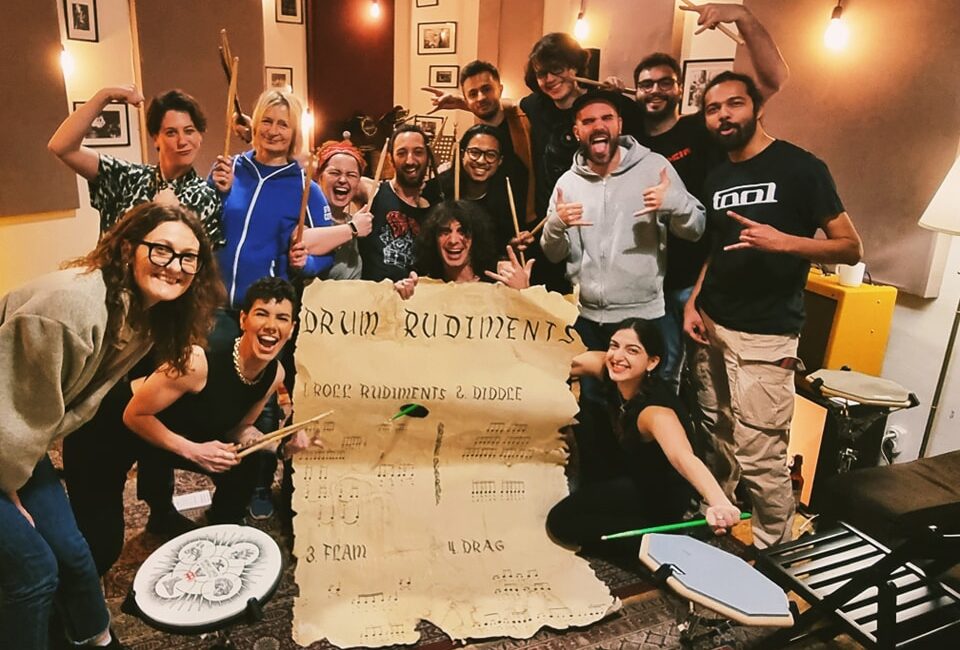
GOOD PRACTICE. GOOD COMPANY.
PPRitual, Rhythmic Transcriptions, Planetary System recordings and the programme for upcoming sessions.